Speech Therapy
Our speech-language pathologists help children develop communication skills during real conversations, circle time, and social interactions with peers.

What We Address
Our speech-language pathologists support all aspects of communication, meeting each child where they are.
Expressive Language
Helping children communicate their wants, needs, thoughts, and feelings—whether through words, signs, or AAC.
Receptive Language
Understanding spoken language, following directions, and comprehending stories and conversations.
Articulation
Clear speech production so children can be understood by family, teachers, and peers.
Social Communication
Turn-taking, topic maintenance, reading social cues, and engaging in back-and-forth interaction.
AAC Support
Augmentative and Alternative Communication for children who benefit from visual supports or speech-generating devices.
Communication in Context
Traditional speech therapy happens in a quiet room with flashcards and drills. But that's not where children actually use language. Our embedded model brings speech therapy into the noisy, dynamic, real-world context of the classroom.
A speech-language pathologist might support a child during circle time, helping them answer questions and participate in group discussions. During play, they facilitate communication between peers. At snack time, they work on requesting and commenting about food.
Real conversations. Real social situations. Real communication growth.

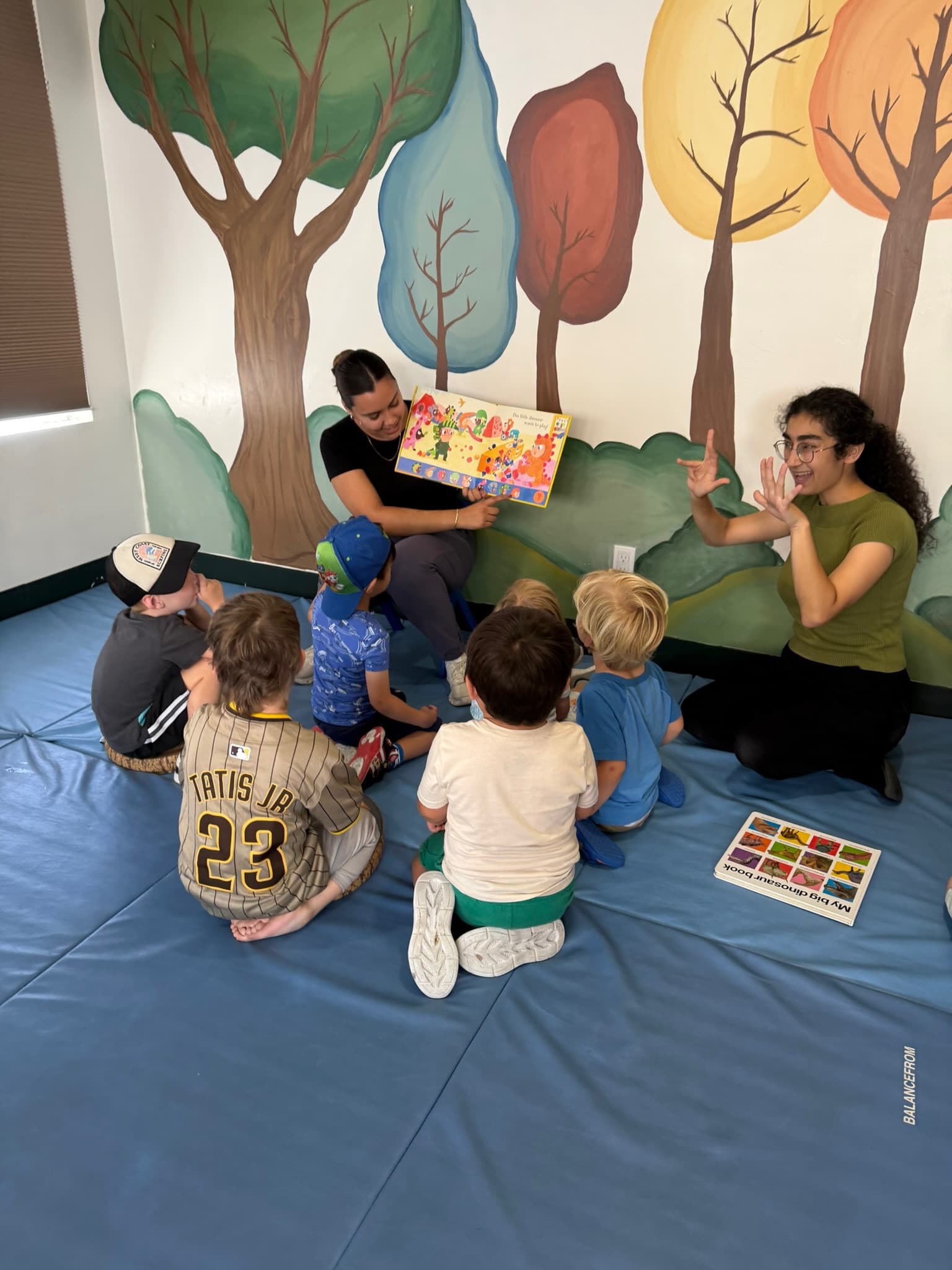
Circle Time
Answering questions, participating in songs, commenting on stories—group communication skills in a supportive setting.
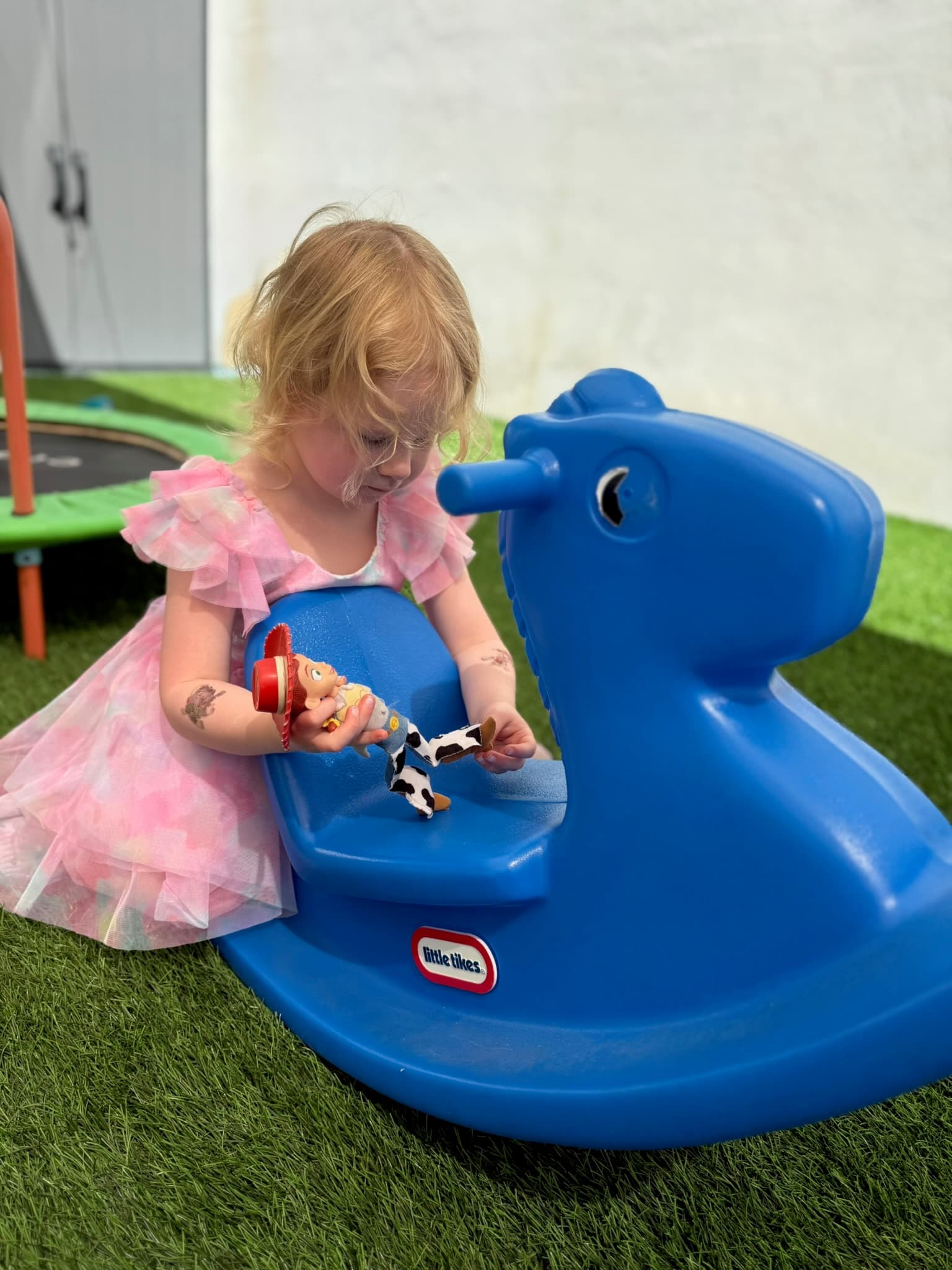
Play Time
Requesting toys, negotiating with peers, narrating play—social communication in the context where it matters most.
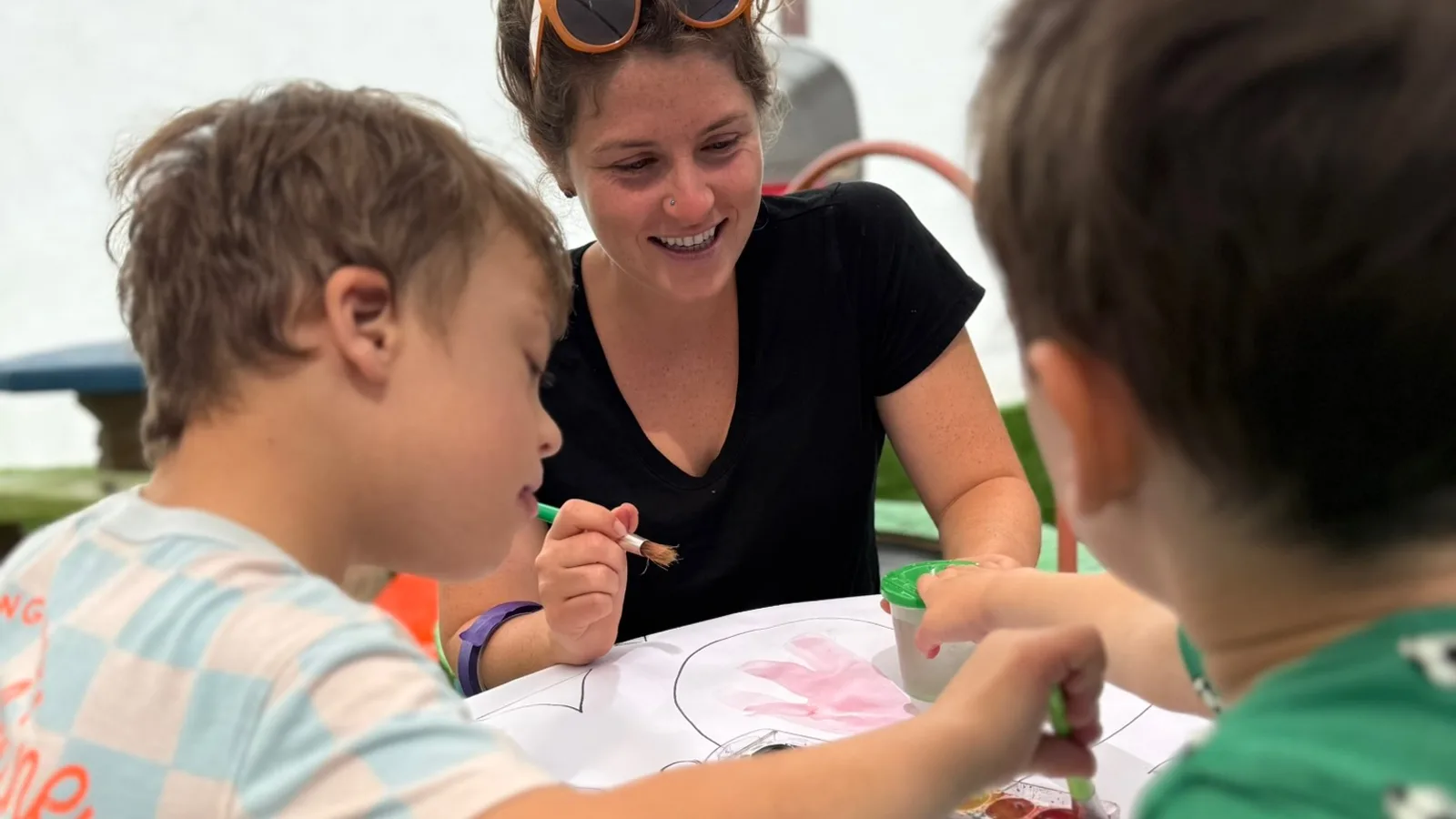
Meal Times
Requesting more, commenting on food, conversing with tablemates—functional communication during daily routines.
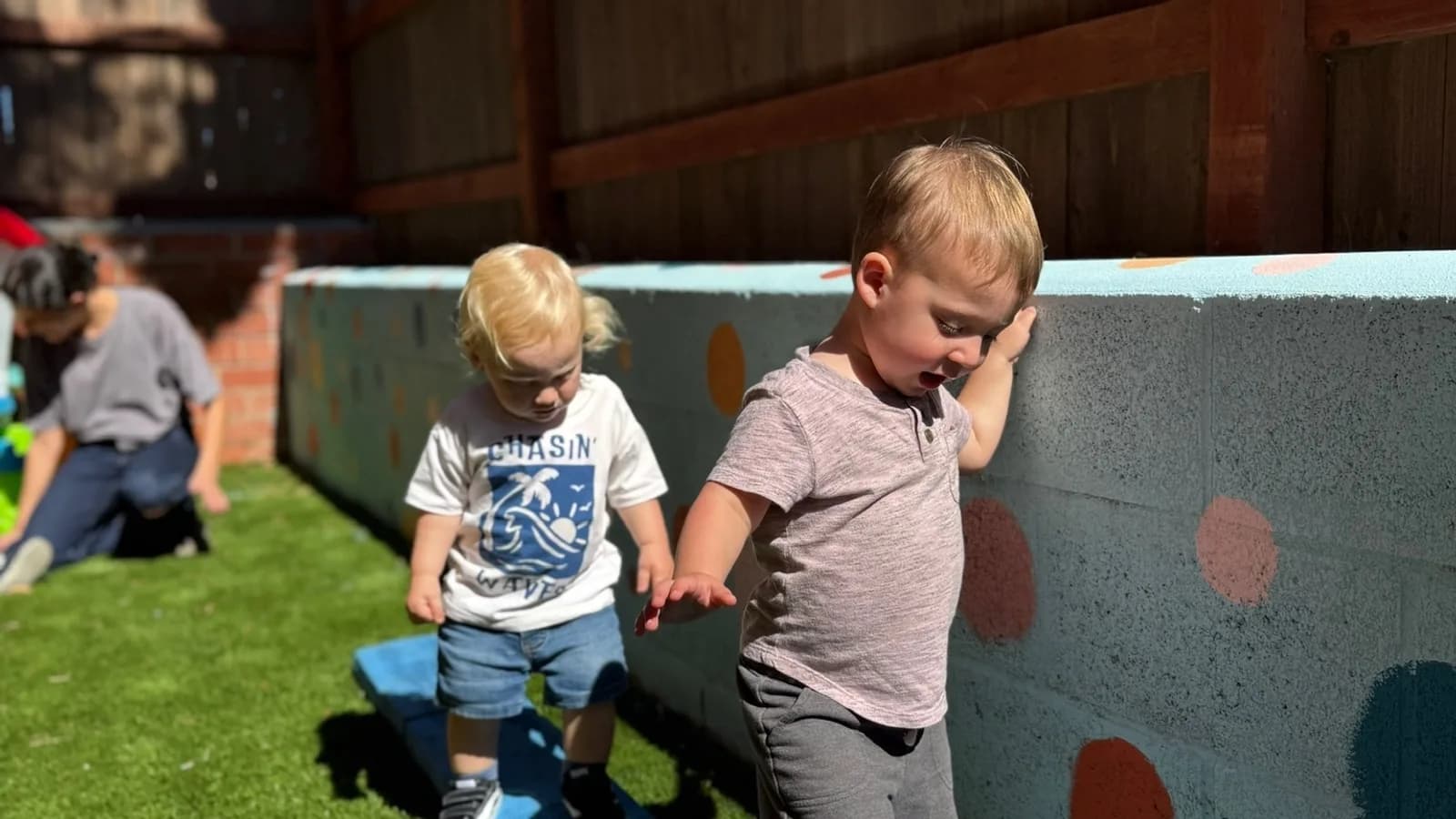
Transitions
Following verbal directions, understanding schedules, asking for help—the language of navigating the school day.

Neurodiversity-Affirming Practice
Our speech-language pathologists practice from a neurodiversity-affirming perspective.
We support each child in developing communication that works for them. For some children, that means spoken language. For others, it means sign language, picture exchange, or AAC devices. All forms of communication are valid.
The goal is to help children communicate effectively in ways that honor who they are.
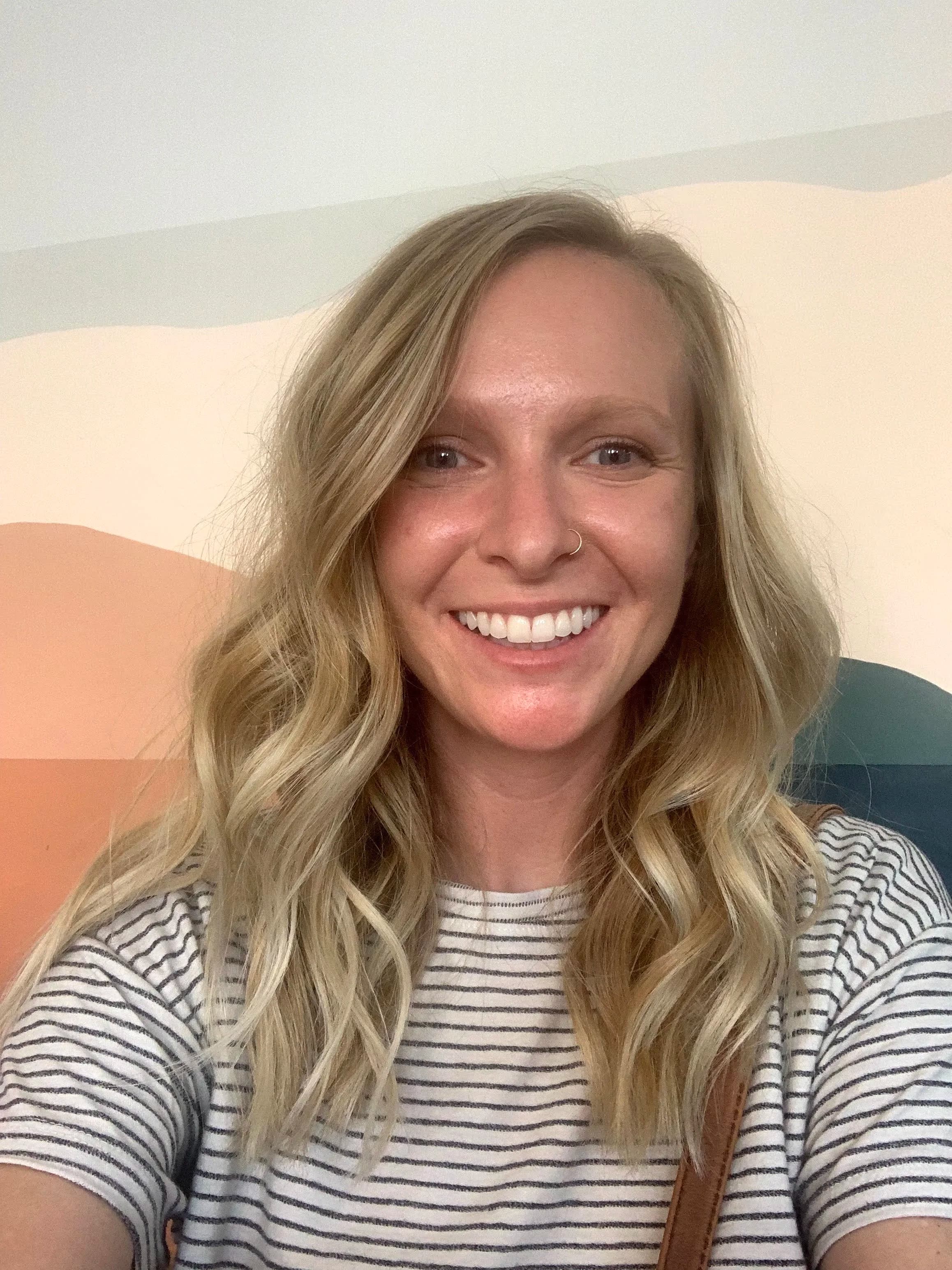
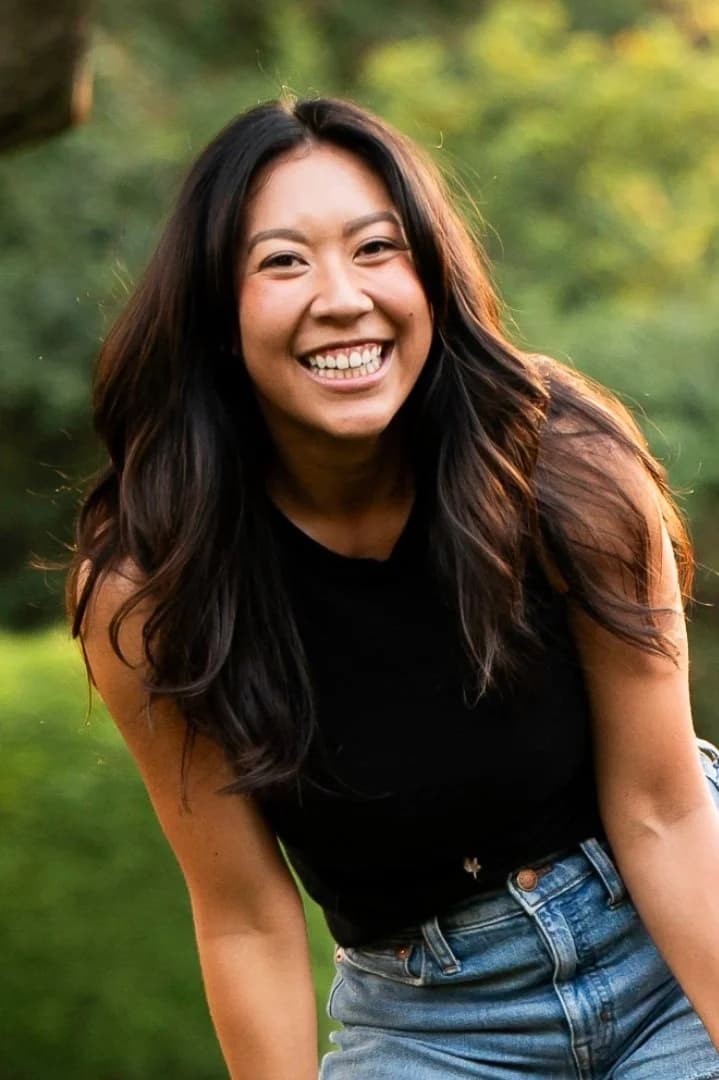
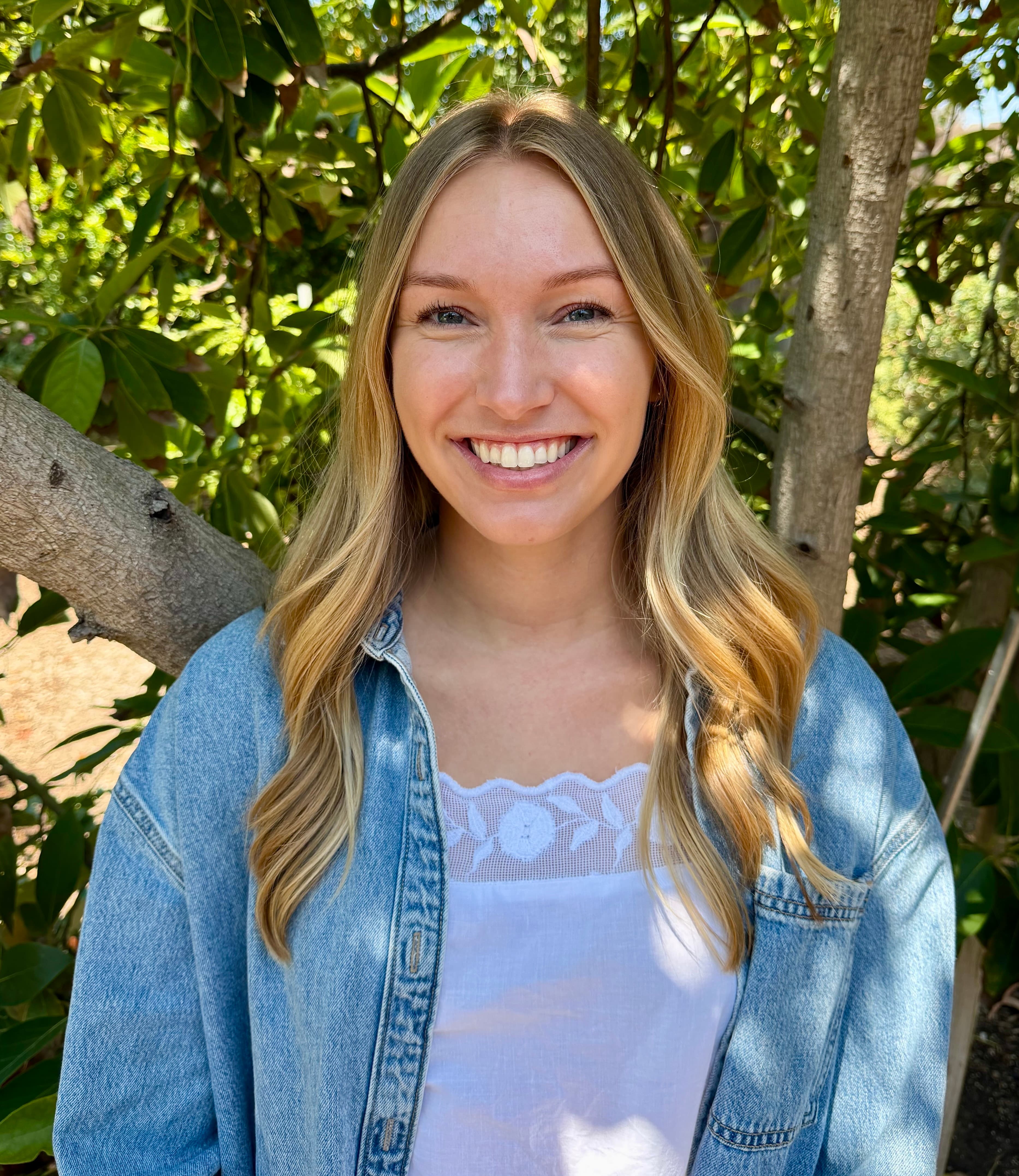
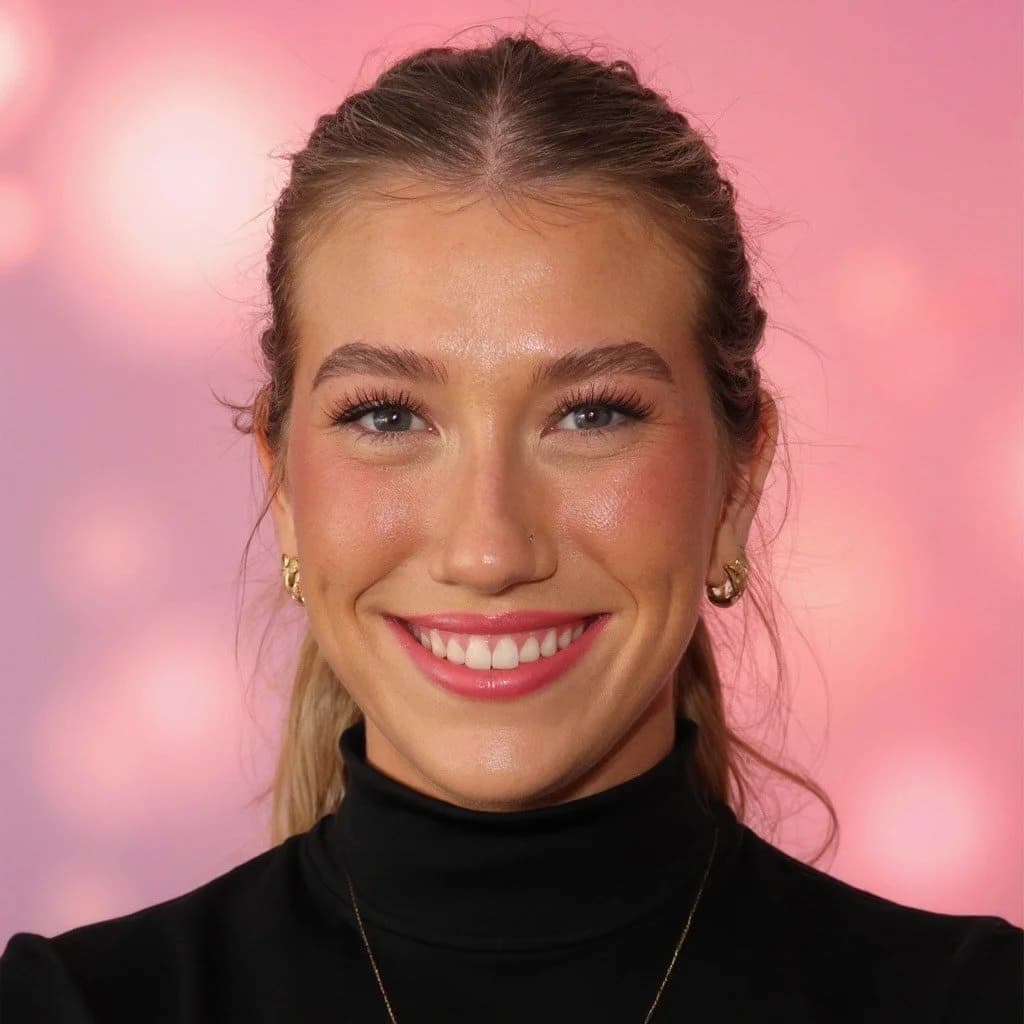
Speech-Language Pathology Team
Service Rates
We also accept San Diego Regional Center
Get Started with Speech Therapy
Contact us to learn more about our speech-language services or schedule an evaluation for your child.